Smart World: IoT and Connected Technology Updates
IoT
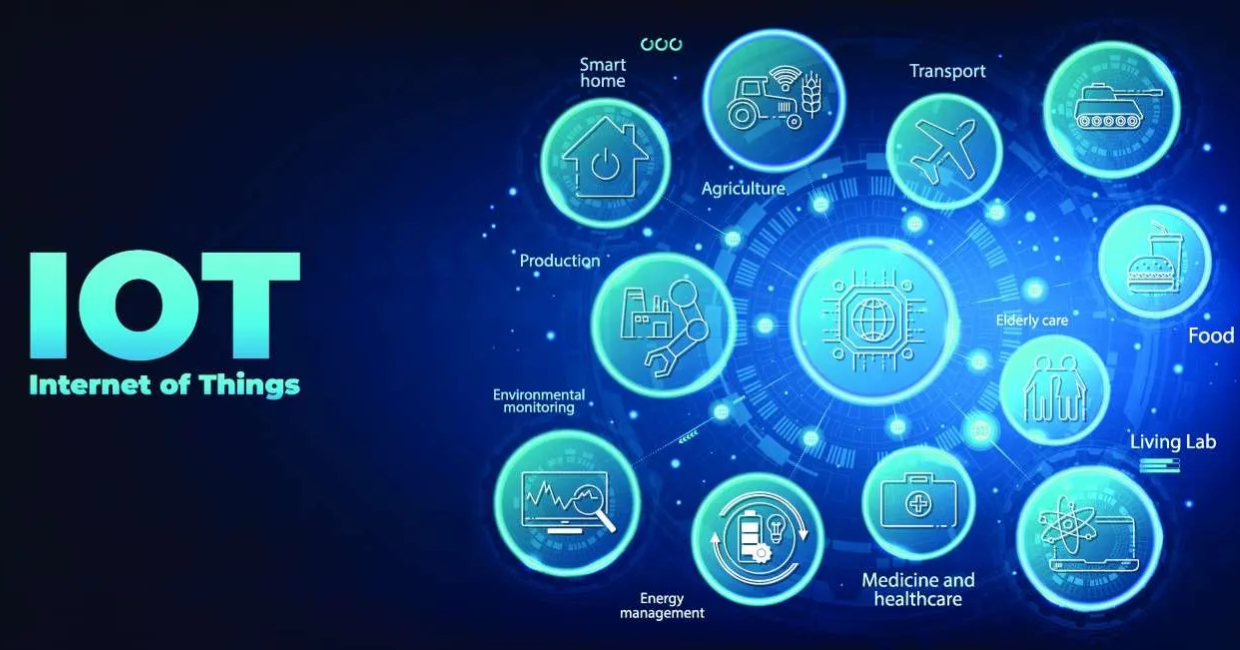
In the last decade, the concept of a “smart world” has evolved from a futuristic vision into a living, breathing reality. We now inhabit a planet woven together by billions of interconnected devices — sensors, wearables, vehicles, and even everyday household items — all communicating seamlessly through the Internet of Things (IoT).
From the way we commute to how we monitor our health, IoT has changed how humans interact with technology. But the story doesn’t end with convenience. These connected systems are revolutionizing industries, reshaping cities, and redefining the very infrastructure of modern society.
In this article, we explore the latest updates in IoT and connected technologies — from smart homes and autonomous factories to digital healthcare and urban innovation — and uncover how this connected revolution is steering us toward a truly smart world.
Digital Horizons: Unpacking the Latest Tech Trends
1. Understanding the Smart World: The Foundation of IoT
The term Internet of Things (IoT) refers to a vast network of devices connected to the internet, capable of collecting, sharing, and analyzing data. Unlike traditional computing systems, IoT extends connectivity beyond smartphones and computers to everyday objects — refrigerators, cars, thermostats, and industrial machinery.
These devices are embedded with sensors and microprocessors that gather real-time data, which can be processed and acted upon automatically or through human input. The outcome is a responsive, intelligent environment — a world that senses, learns, and adapts to human needs.
How IoT Works
IoT systems rely on four key components:
- Sensors and Devices – Collect data from their environment (temperature, motion, pressure, location, etc.).
- Connectivity – Transmit data through Wi-Fi, Bluetooth, 5G, or satellite networks.
- Data Processing – Cloud-based or edge computing systems analyze the information.
- Action – Insights trigger automated responses, like adjusting lighting, sending alerts, or predicting failures.
This continuous data loop forms the backbone of the smart world — one that thrives on efficiency, automation, and intelligence.
2. Smart Homes: Living with Intelligence
One of the most visible impacts of IoT is in the smart home revolution. Modern homes are now digital ecosystems — where appliances, lighting, entertainment, and security systems communicate effortlessly.
Connected Comfort and Convenience
Smart thermostats like Google Nest or Ecobee learn your temperature preferences and adjust automatically, saving energy while keeping homes comfortable. Voice assistants such as Amazon Alexa or Apple Siri integrate multiple devices — from smart TVs to coffee machines — through a single command.
Even simple household chores are now automated. Robot vacuums, smart refrigerators, and connected washing machines can be controlled remotely, freeing up time for what truly matters.
Safety and Energy Efficiency
IoT also enhances home security and sustainability. Smart locks, motion sensors, and doorbell cameras provide 24/7 surveillance accessible from anywhere. Energy-efficient lighting and appliance monitoring reduce electricity consumption — a win for both consumers and the planet.
The connected home is not just about luxury — it’s about living smarter, safer, and greener.
3. Smart Cities: The Future of Urban Living
Cities are growing faster than ever, and managing urban life efficiently has become a global challenge. Enter the smart city — an urban environment powered by IoT, data analytics, and automation to enhance the quality of life for citizens.
Connected Infrastructure
Smart cities deploy sensors and networks to monitor traffic, waste management, air quality, and public safety. For example:
- Smart traffic lights adapt in real time to reduce congestion.
- Waste bins alert collection services when they’re full.
- Air quality sensors inform policy decisions on pollution control.
These connected systems not only improve convenience but also enable sustainable resource management, ensuring cities grow without overwhelming their infrastructure.
Real-World Examples
Cities like Singapore, Barcelona, and Dubai are global leaders in smart urban transformation.
- Singapore’s “Smart Nation” initiative uses IoT to improve healthcare and transportation.
- Barcelona’s smart lighting and parking systems have significantly cut emissions.
- Dubai’s goal to become the world’s first blockchain-powered government reflects its commitment to tech-driven efficiency.
Smart cities are no longer futuristic dreams — they are today’s reality, setting the blueprint for sustainable, connected living.
4. Industrial IoT (IIoT): Powering the Smart Economy
While consumers enjoy the benefits of IoT at home, industries are experiencing their own revolution through Industrial IoT (IIoT). This technology connects machines, tools, and systems across factories, energy grids, and logistics networks — transforming production into an intelligent, self-optimizing process.
Smart Manufacturing
Factories now use predictive maintenance — sensors track equipment performance, detect wear and tear, and schedule repairs before breakdowns occur. This not only minimizes downtime but saves millions in maintenance costs.
Automation and robotics, powered by real-time IoT data, allow factories to produce goods faster and more accurately. This marks the dawn of Industry 4.0, where physical and digital systems merge to create cyber-physical production lines.
Supply Chain Intelligence
IoT also enhances supply chain visibility. Connected shipments can be tracked globally in real time, ensuring efficiency and reducing loss or theft. Cold chain monitoring ensures temperature-sensitive goods — like vaccines or food — remain in perfect condition throughout transport.
IIoT is not just about machines; it’s about creating an ecosystem of intelligence that fuels productivity, sustainability, and innovation across industries.
5. Healthcare Revolution: The Internet of Medical Things (IoMT)
One of the most transformative impacts of IoT is seen in healthcare. The Internet of Medical Things (IoMT) connects devices, wearables, and medical systems to improve patient care, reduce costs, and enable remote monitoring.
Wearables and Remote Health Monitoring
Smartwatches and fitness trackers monitor heart rate, sleep, blood oxygen, and activity levels. Advanced medical wearables even track glucose levels or detect irregular heartbeats — alerting doctors instantly through connected apps.
Hospitals are deploying smart beds, connected imaging devices, and AI-driven diagnostic tools to improve efficiency and patient outcomes. During the COVID-19 pandemic, IoMT proved essential for telehealth and remote monitoring, allowing doctors to treat patients virtually and safely.
Predictive and Preventive Healthcare
By analyzing continuous streams of health data, AI systems can now predict illnesses before they become critical. Personalized treatment plans and data-driven medication management are helping to reduce hospital readmissions and improve quality of life.
Healthcare is no longer confined within hospital walls — it’s moving into homes, wrists, and smartphones, thanks to IoT.
6. Transportation and Mobility: The Road to Automation
The transportation sector is undergoing a massive transformation through connected technology. The integration of IoT in mobility is paving the way for autonomous vehicles, smart logistics, and intelligent public transportation.
Connected Cars and Smart Roads
Modern vehicles are no longer mechanical machines — they’re digital platforms on wheels. Equipped with sensors, cameras, and connectivity systems, they can communicate with other vehicles (V2V) and infrastructure (V2X).
Tesla, BMW, and Ford are leading this shift, enabling features like real-time navigation updates, predictive maintenance alerts, and semi-autonomous driving modes. Smart highways with embedded sensors monitor traffic flow and send alerts about weather or accidents, improving road safety.
Smart Logistics and Fleet Management
In logistics, IoT helps track deliveries, monitor driver behavior, and optimize fuel efficiency. Real-time visibility reduces delays and ensures goods arrive safely, driving what’s now known as Connected Logistics.
IoT’s impact on transportation goes beyond convenience — it’s creating a foundation for safer, cleaner, and more efficient mobility worldwide.
7. 5G: The Backbone of the Connected World
None of these advancements would be possible without fast, reliable connectivity, and that’s where 5G networks come in. With ultra-low latency and lightning-fast speeds, 5G is the backbone of the IoT revolution.
Speed Meets Scalability
5G supports billions of devices simultaneously, making real-time communication between machines and systems possible. This means:
- Autonomous vehicles can exchange data instantly to avoid collisions.
- Factories can coordinate thousands of sensors without lag.
- Healthcare devices can transmit patient vitals in real time.
5G isn’t just faster internet; it’s the infrastructure of the smart world — enabling communication at a scale never seen before.
Towards 6G and Beyond
While 5G continues global rollout, research into 6G technology is already underway. It promises to integrate AI and edge computing directly into the network, making future connectivity even smarter and more energy-efficient.
8. Edge Computing: Processing Power at the Source
With billions of devices generating data every second, traditional cloud computing struggles with latency and bandwidth limits. Enter Edge Computing — a paradigm that brings computation closer to the data source.
Instead of sending all information to distant data centers, IoT devices equipped with local processors can analyze and act on data instantly. This is especially crucial for applications like:
- Autonomous vehicles, which must make split-second decisions.
- Industrial robots, which rely on real-time coordination.
- Healthcare monitors, which must respond immediately to emergencies.
Edge computing reduces delays, lowers costs, and improves privacy — essential ingredients for the next generation of connected technology.
9. Cybersecurity: Protecting the Smart World
As devices multiply, so do vulnerabilities. Each connected object is a potential entry point for cyberattacks. Ensuring the safety of data and systems has become one of the biggest challenges in IoT expansion.
Building Trust Through Secure Design
IoT cybersecurity focuses on device authentication, encrypted communication, and firmware protection. Manufacturers are now integrating security protocols at the hardware level — preventing attacks before they begin.
AI in Cyber Defense
AI plays a critical role in identifying anomalies across vast networks. It can detect unusual activity, isolate threats, and respond autonomously — providing a real-time defense shield for the connected world.
Without strong cybersecurity, the promise of IoT could quickly turn into chaos. That’s why trust, transparency, and regulation are becoming as important as innovation itself.
10. Sustainability and the Green Internet of Things
As the world becomes smarter, it must also become sustainable. IoT is emerging as a powerful ally in combating climate change by optimizing resource consumption and promoting environmental awareness.
Smart Energy Management
IoT-enabled smart grids balance energy supply and demand, integrating renewable sources like solar and wind. Smart meters help consumers track and reduce energy use, creating more efficient households and cities.
Environmental Monitoring
Connected sensors track air and water quality, monitor deforestation, and predict natural disasters. This data empowers governments and organizations to act swiftly and mitigate damage.
The Green IoT movement ensures that the connected revolution not only improves lives but also protects the planet that sustains them.
Conclusion: The Future of a Truly Smart World
The smart world isn’t a distant dream — it’s here, evolving every second. From homes that respond to our voices to cities that adapt to our movements, from industries that think for themselves to healthcare that predicts illness before it strikes — IoT is weaving intelligence into the fabric of daily life.
But with this promise comes responsibility. As we expand connectivity, we must safeguard privacy, strengthen cybersecurity, and ensure that technology serves humanity rather than controlling it.
The next decade will define how IoT integrates with emerging technologies like AI, blockchain, quantum computing, and 6G networks. Together, these forces will create a world that’s not just connected — but conscious, sustainable, and human-centered.
In the age of the Smart World, connection is no longer about wires or signals — it’s about insight, intelligence, and innovation shaping a brighter, more connected future for all.